



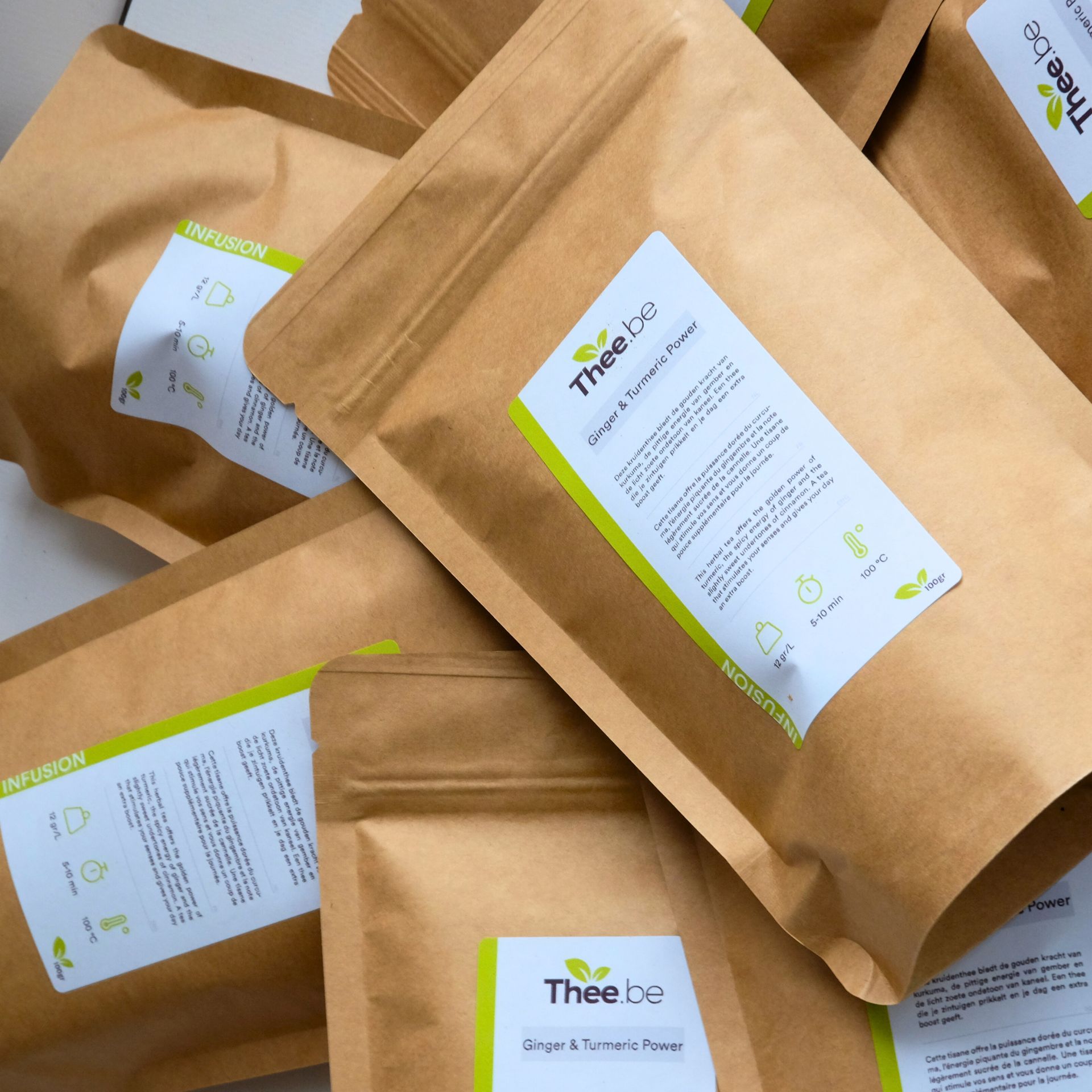




Description
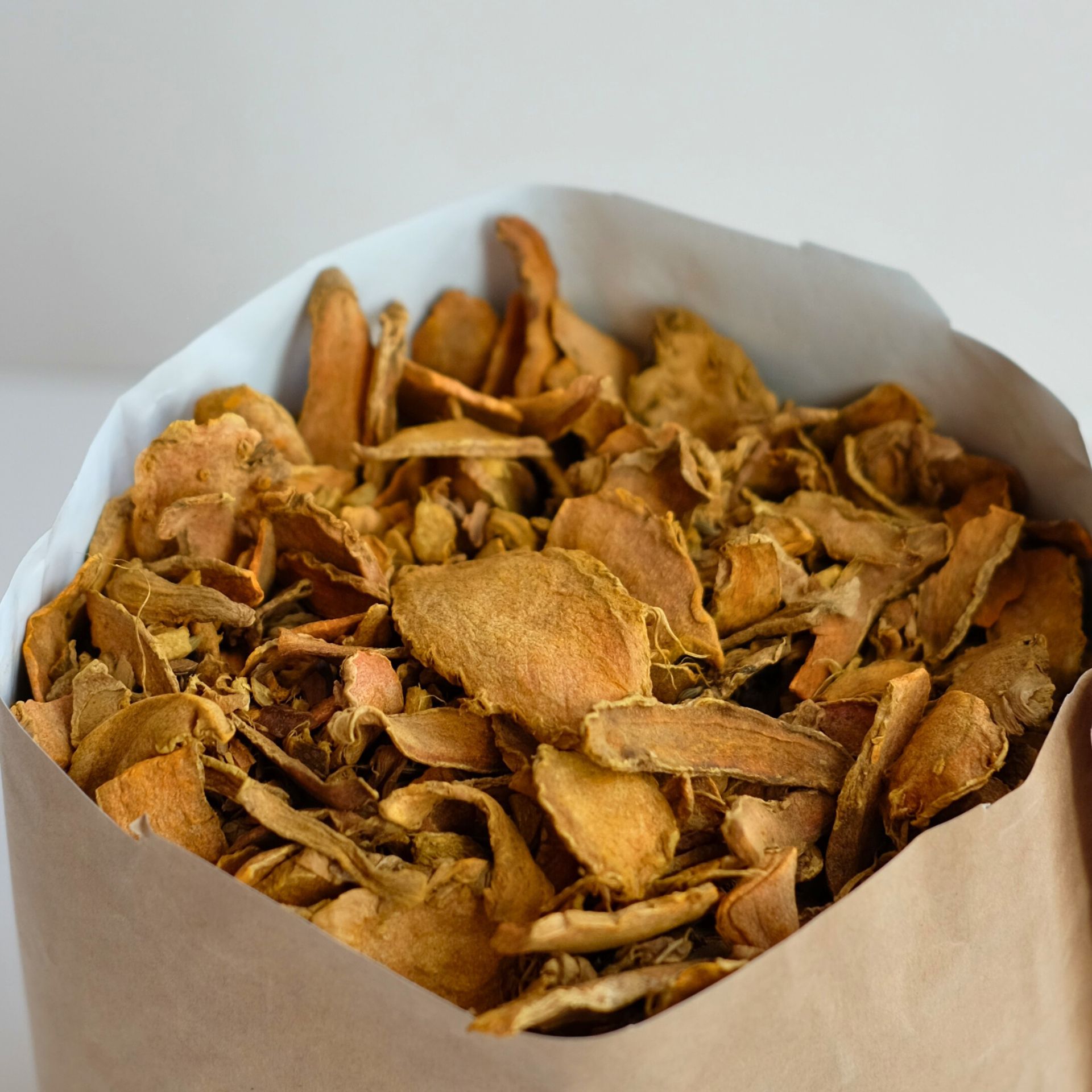
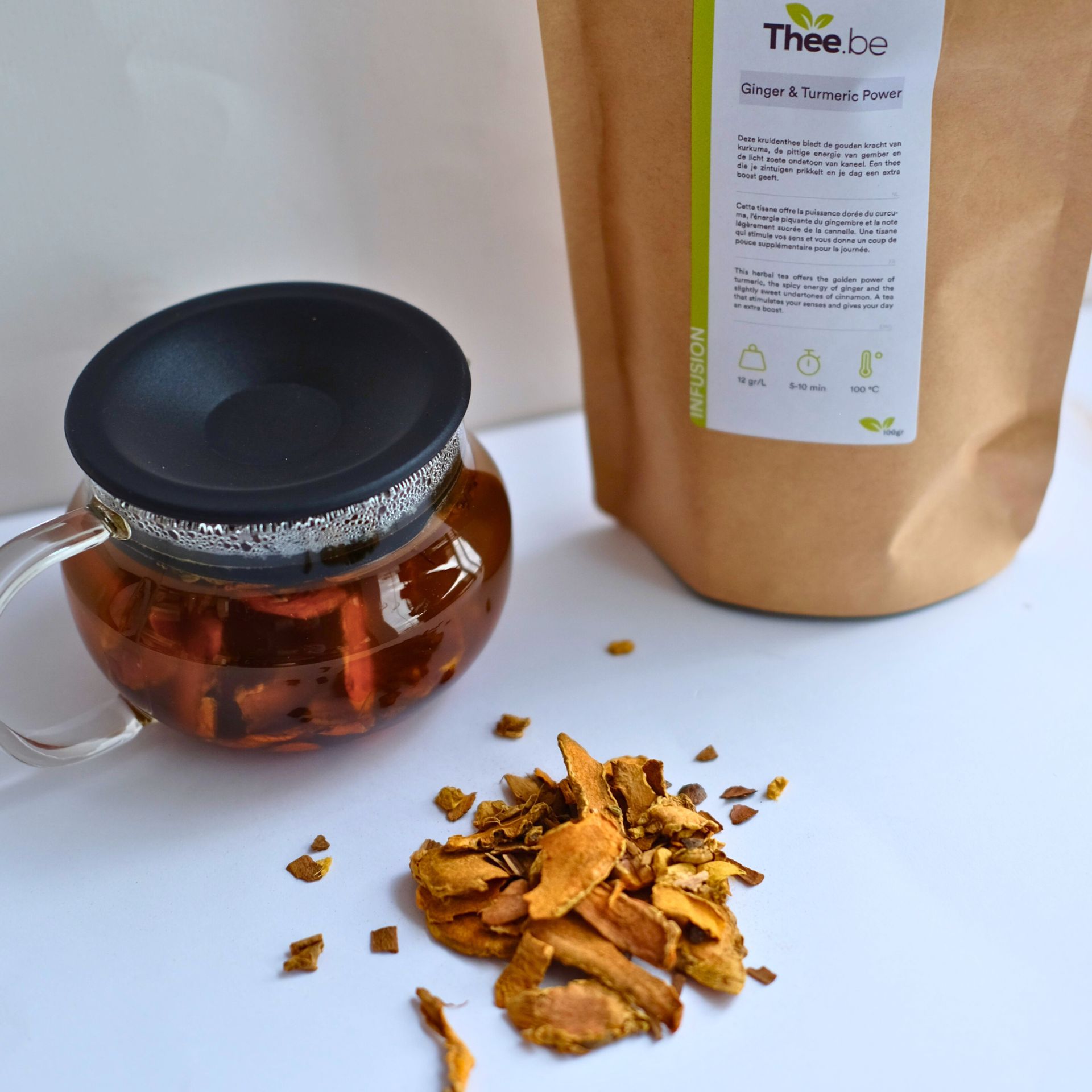
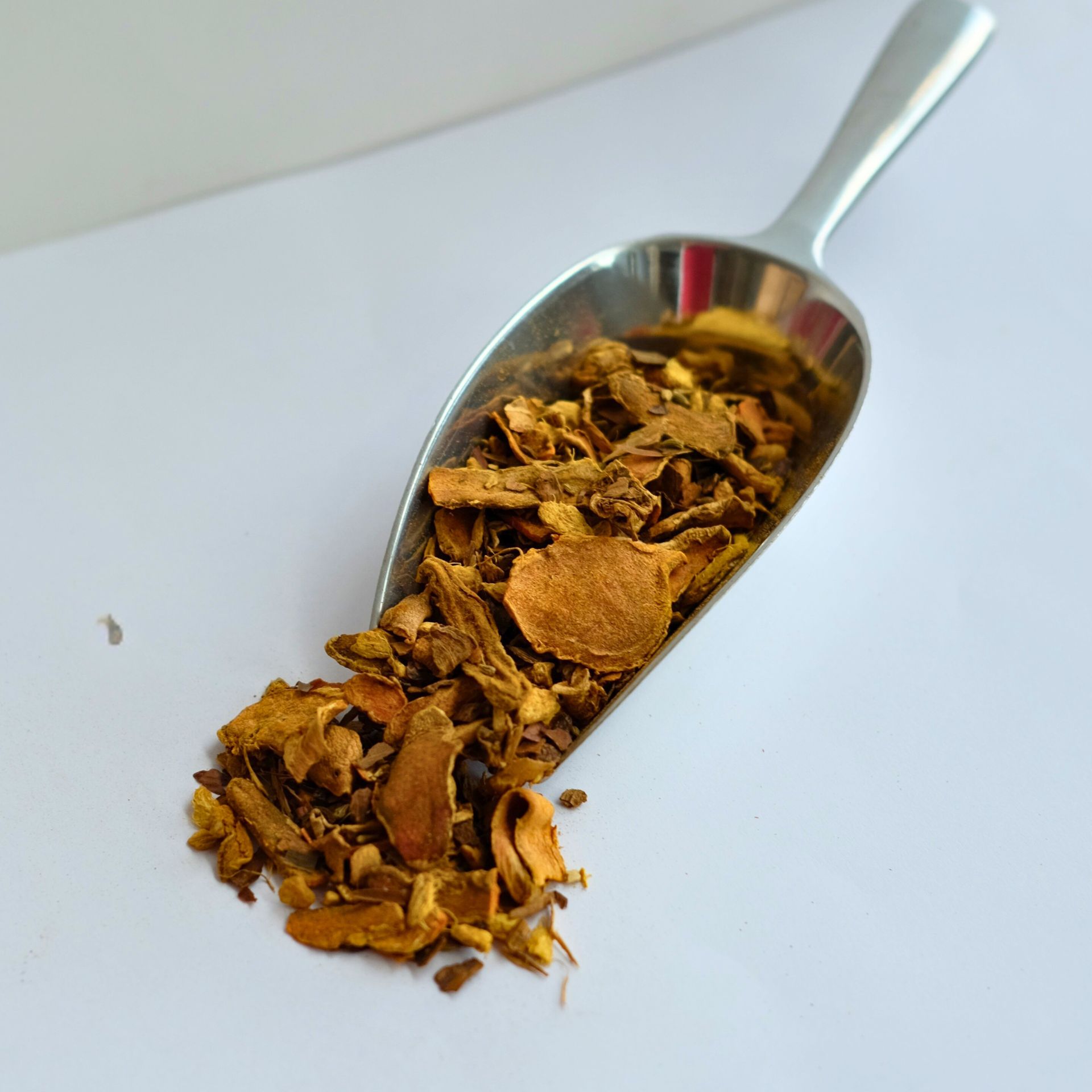
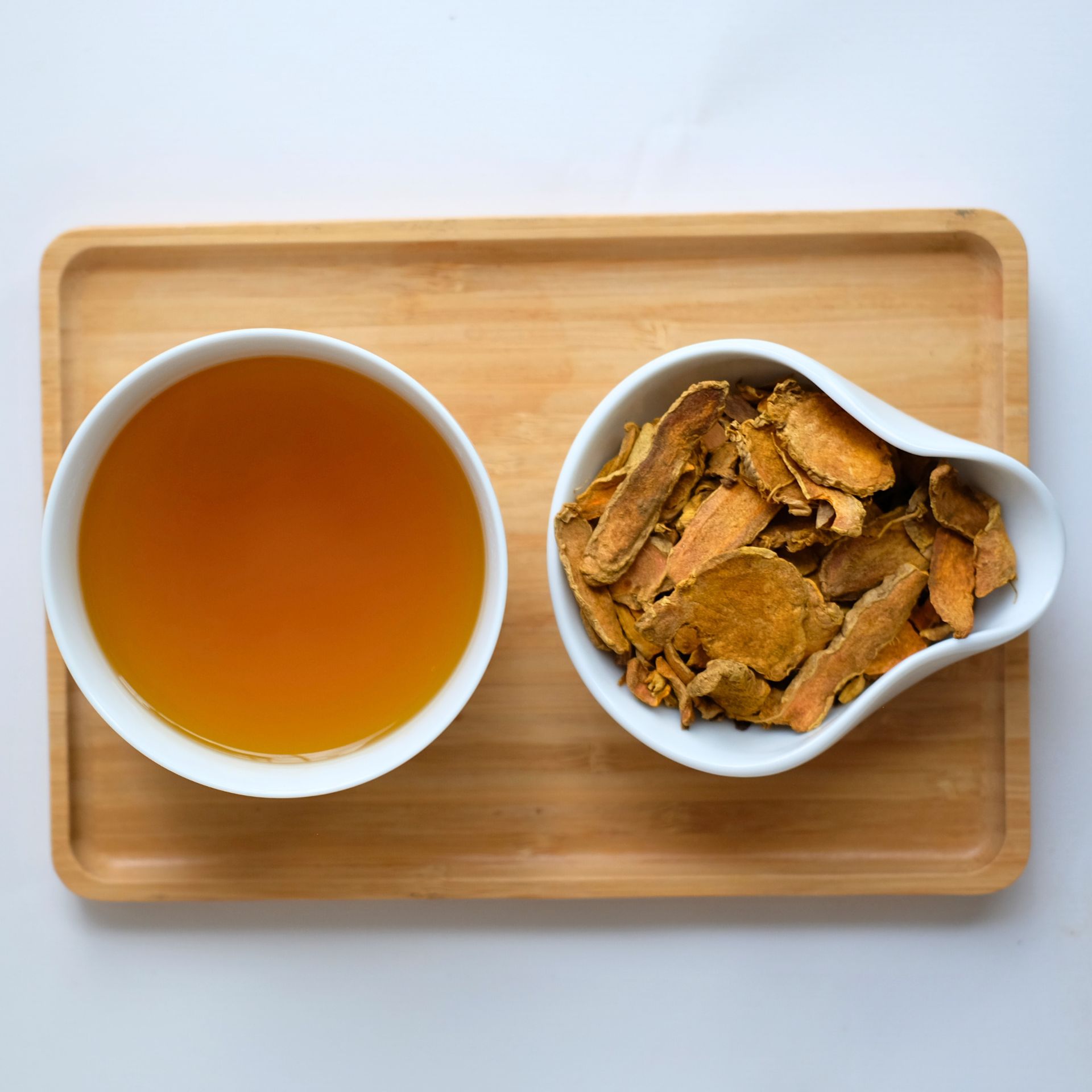
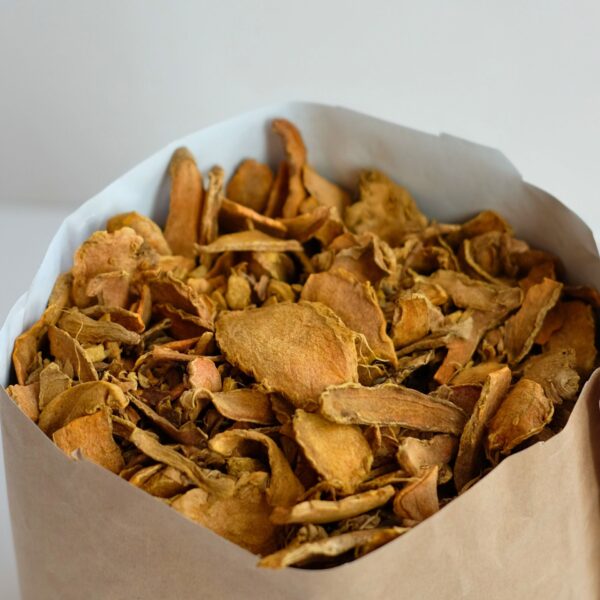
In this pure herbal blend, turmeric and ginger take centre stage. Discover the perfect balance between warmth, spiciness, and well-being with our Ginger-Turmeric Power. This special blend is carefully composed of pure pieces of turmeric root and ginger, two ancient herbs that have been praised for generations for their powerful properties. We also add some spices, including cinnamon and aniseed, to create a wonderfully warming blend that feels like wellness in a cup.
The first sip reveals the soft, earthy tones of turmeric, also known as the “golden root.” Then the ginger makes its presence known with its spicy and warming character. Together, they form a harmonious combination that not only offers a rich taste experience but also supports a sense of calm and vitality.
Ginger and turmeric originate from the tropical regions of Asia, where the roots have been part of local culture and medicine for thousands of years. Turmeric, from India and often called the “golden spice,” is traditionally used in Ayurveda and symbolises purity and vitality. Ginger, originally from Southeast Asia, has a rich history as a flavour enhancer and natural remedy to warm the body and mind. By bringing these ancient traditions together in one blend, each cup offers a glimpse of their exotic origin.
What does science say about ginger and turmeric?
Ginger and turmeric are two herbs that have been valued for centuries for their flavour and supposed health benefits. Both contain bioactive compounds that have been studied in scientific research for their possible effects on the body. It’s important to emphasise that most studies are preliminary findings and are not a substitute for medical treatment.
Ginger
Ginger contains several bioactive compounds, with gingerol being the most important. This compound has powerful antioxidant and anti-inflammatory properties, which may protect the body from harmful processes associated with oxidative stress. This is one of the reasons ginger has been used in traditional medicine for so long.
One of the most researched effects of ginger is its support in relieving nausea. Various studies have shown that ginger can help with pregnancy-related nausea, as well as nausea after surgery or as a side effect of chemotherapy. This involves natural support, without making any medical claims.
There are also indications that ginger may play a role in joint complaints. In people with osteoarthritis, ginger appears to relieve pain and stiffness, which can improve daily functioning.
Another area in which ginger is being studied is blood sugar regulation. Some clinical studies show that ginger may improve fasting blood glucose levels and long-term markers (such as HbA1c) in people with type 2 diabetes. However, these studies involve supplement dosages that are often higher than what one would consume through food or tea.
Digestion may also benefit from ginger. It appears to speed up gastric emptying and enhance the movement of food through the digestive tract, which can help with discomforts like bloating.
There are also indications that ginger may be effective in relieving menstrual pain.
In addition, ginger is associated with a positive effect on cholesterol levels. Studies show it can contribute to lowering LDL cholesterol and triglycerides, while increasing HDL cholesterol. This suggests a potentially protective effect for heart health.
Laboratory research has also explored ginger’s role in cancer prevention. Its antioxidant and anti-inflammatory properties may offer protection against cell damage and the development of certain types of cancer, although evidence in humans remains very limited and preliminary.
Cognitive health is also receiving attention. There are indications that ginger may reduce oxidative stress and inflammation in the brain, which could play a role in protecting against age-related conditions such as Alzheimer’s or Parkinson’s disease.
Finally, some studies show that ginger has antimicrobial properties, meaning it can inhibit the growth of certain bacteria and fungi.
It is important to emphasise that many of these effects have been studied using high doses of ginger extract or supplements, which do not always correspond to what is consumed through food or tea. The results are often promising, but vary from person to person, and not all studies are equally strong. These are therefore preliminary insights that show ginger has interesting properties, but is of course no substitute for medical treatment.
Turmeric
Turmeric, or Curcuma longa, is a spice that originates from South Asia and has been used in traditional medicine for thousands of years. The main bioactive compound in turmeric is curcumin, which is believed to be responsible for many of its purported health benefits. However, it is important to emphasise that most studies are preliminary findings and are not a substitute for medical treatment.
One of the most researched properties of curcumin is its anti-inflammatory effect. Chronic inflammation is associated with various conditions, including heart disease, cancer, and neurodegenerative diseases. Curcumin may help reduce inflammation, although its effectiveness when taken orally may be limited due to its low bioavailability.
Curcumin also has antioxidant properties, meaning it can neutralise free radicals that can damage cells. Oxidative stress is associated with ageing and various diseases, and antioxidants play a role in protecting the body from this damage.
There is also interest in curcumin’s potential role in brain health. Some studies suggest that curcumin may promote the production of brain-derived neurotrophic factor, which could be beneficial in maintaining cognitive functions. However, most of these findings come from lab or animal studies, and more human research is needed.
In terms of heart health, there is evidence that curcumin can help improve endothelial function, which is important for blood pressure regulation and preventing heart disease. It may also help lower cholesterol and triglyceride levels, although results vary and more research is needed.
For digestive issues such as irritable bowel syndrome (IBS), there is some evidence that curcumin may help reduce symptoms like abdominal pain. However, most studies are of low quality, and more robust research is needed.
It’s important to note that the bioavailability of curcumin is low, meaning the body has difficulty absorbing it effectively. Some studies suggest that combining curcumin with black pepper (which contains piperine) may enhance absorption. So, it might be worth adding a bit of black pepper to your tea. 😉
Finally, although turmeric and curcumin show promising properties, most studies have been conducted with high doses that don’t correspond to the amounts consumed through food or tea. Therefore, it’s essential to be cautious when drawing conclusions about the health benefits of turmeric.
Ingredients
Turmeric pieces (45%), ginger pieces, aniseed, cocoa shell, cinnamon pieces.
Sources
https://pmc.ncbi.nlm.nih.gov/articles/PMC9654013/
https://pmc.ncbi.nlm.nih.gov/articles/PMC7019938/
https://pubmed.ncbi.nlm.nih.gov/29393665/
https://pubmed.ncbi.nlm.nih.gov/35031435/
https://www.sciencedirect.com/science/article/pii/S1028455918302304
https://pubmed.ncbi.nlm.nih.gov/36165525/
https://pmc.ncbi.nlm.nih.gov/articles/PMC9922148/
https://pmc.ncbi.nlm.nih.gov/articles/PMC8971783/
https://www.sciencedirect.com/science/article/pii/S2405844022017455
https://www.sciencedirect.com/science/article/pii/S2667142523000088
https://www.sciencedirect.com/science/article/abs/pii/S1043466623000224
https://pubmed.ncbi.nlm.nih.gov/33172016/
https://www.nature.com/articles/s41598-024-82571-9
https://pmc.ncbi.nlm.nih.gov/articles/PMC8833931/
https://www.cancer.gov/about-cancer/treatment/cam/hp/curcumin-pdq
https://pubmed.ncbi.nlm.nih.gov/36291614/


Reviews
There are no reviews yet.